WA Licensed (01) Electrical Contractor Β· Lic #EC-SPOKEV*821JA
Serving All 30 Spokane Neighborhoods & Spokane Valley (509) 800-4136
🏒 LICENSED WASHINGTON (01) COMMERCIAL ELECTRICAL CONTRACTORS

Commercial EV Charger Installation Spokane, WA

Turnkey Level 2 and 480V DC Fast Charging systems for workplaces, retail centers, multi-family properties, and commercial logistics fleets across Spokane and Spokane Valley. Capture regional make-ready grants and monetize EV charging.

  • βœ“
    Turnkey Level 2 & DC Fast Charging: Scalable dual-port pedestals (7.2–19.2 kW) and 480V DCFC (50–350 kW).
  • βœ“
    Workplace, Retail & Fleet Logistics: Custom architectures tailored to dwell times, employee perks, or fleet depot operations.
  • βœ“
    Intelligent OCPP Cloud Management: Automated credit card billing, user tiers, and peak demand capping.
  • βœ“
    Maximizing Regional Grants & Tax Credits: Avista Schedule 77 make-ready funding + 30% federal Section 30C credits.
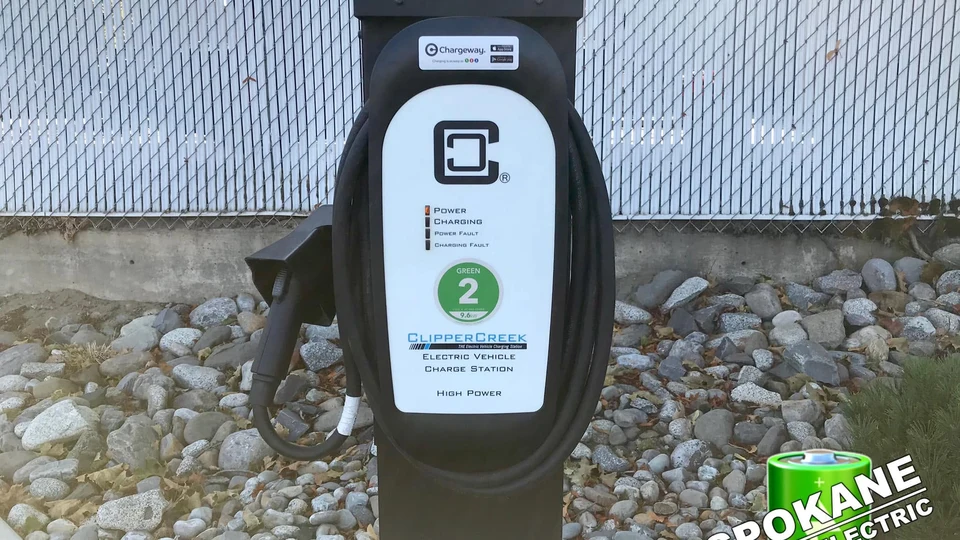
Licensed commercial electrical contractor installing dual-port commercial EV charging pedestals in Spokane WA
Avista Commercial Grants Β· Save Up to 100% of Make-Ready Costs
Commercial EV Project Estimate
Direct consultation with a licensed Washington (01) commercial electrical estimator.
WA (01) Electrical Contractor Β· Lic #EC-SPOKEV*821JA
City of Spokane & Spokane Valley Commercial PE Plans
Avista Schedule 77 Make-Ready Grant Specialist
Turnkey Civil Boring, 480V Switchgear & Commissioning

Commercial EV Infrastructure Across Spokane & Spokane Valley

Electric vehicle adoption across the Inland Northwest is experiencing unprecedented acceleration. Driven by regional sustainability initiatives, expanding corporate fleet transitions, and rising consumer ownership of electric vehicles, modern commercial property owners face a fundamental shift in tenant and customer expectations.

Whether managing a Class-A office park in Downtown Spokane, a retail shopping center along the North Division commercial corridor, a multi-family residential portfolio in Spokane Valley, or an industrial logistics warehouse on the West Plains near Spokane International Airport, commercial EV charging infrastructure has transformed from an optional novelty into an essential competitive amenity and high-yield revenue stream.

Installing commercial EV charging equipment is a sophisticated engineering, civil, and electrical undertaking. Unlike a single residential garage charger, commercial installations frequently involve multi-port charging banks, high-capacity 208-volt or 480-volt three-phase electrical distribution, extensive asphalt trenching, civil directional boring, concrete pedestal foundations, cellular network software, and strict compliance with the Americans with Disabilities Act (ADA).

Commercial Level 2 and DC fast charging bank installed in Spokane business park parking lot
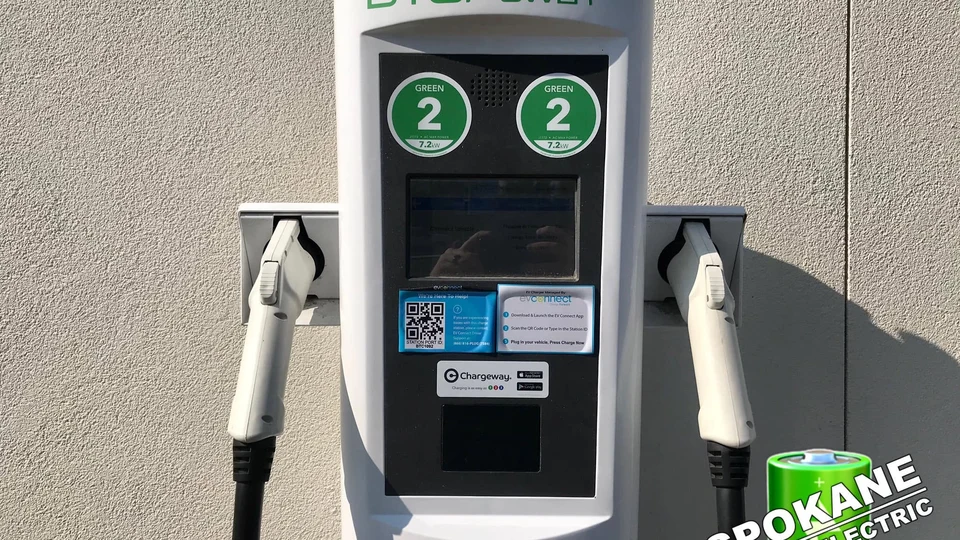
Turnkey commercial Level 2 dual-port charging stations installed in a Spokane commercial business park.
Civil, Structural & High-Voltage Engineering

Commercial installations require certified electrical and civil engineering. Connecting high-amperage continuous loads across parking lots involves directional boring beneath asphalt, reinforced concrete equipment pads extending below the 24-inch frost line, and 6-inch concrete-filled steel safety bollards.

Our licensed commercial electricians ensure complete compliance with National Electrical Code Article 625, Washington State Building Code (WAC 51-50), and ADA accessibility requirements.

Utility Demand Spike Prevention & Rebate Grants

Commercial installations must be engineered to prevent costly electrical utility peak demand spikes. Without intelligent load management software, uncoordinated EV charging can trigger thousands of dollars in monthly utility demand penalties from Avista Utilities.

Our commercial engineering team provides comprehensive, turnkey solutions: managing Avista Schedule 77 make-ready applications (covering up to 100% of utility infrastructure costs), City of Spokane commercial plan reviews, and ongoing software telematics.

350 kW
Max DC Fast Charging Output
208V / 480V
Commercial 3-Phase Systems
Up to 100%
Avista Make-Ready Grant Coverage
100% ADA
Accessible Stall Compliance

Commercial Charging Categories & Use Cases in Spokane & Spokane Valley

Every commercial property operates under a unique customer dwell-time model, electrical service baseline, and financial objective. Local commercial electrical contractors engineer charging systems tailored specifically to your property type:

Corporate Real Estate
1. Workplace & Corporate Office Parks

Class-A office campuses, tech centers, and corporate facilities in Downtown Spokane, Liberty Lake, and Spokane Valley.

Target Audience: Employees, visitors, executive fleets
Average Dwell Time: 4 to 9 Hours
Optimal Tech: Level 2 Dual-Port (7.7–11.5 kW)
Access Control: Employee RFID Badges & App

Strategic Value: Employee recruitment and retention amenity, LEED green building certification credits, and ESG compliance. Employers can offer free employee charging, subsidize rates, or charge fair market fees.

High-Traffic Commerce
2. Retail Centers, Hospitality & Dining

Shopping centers, restaurants, hotel resorts, wineries, and entertainment venues in Kendall Yards, Spokane Valley Mall, and North Division.

Target Audience: Shoppers, diners, hotel guests
Average Dwell Time: 45 Mins – 3 Hrs (Retail) / Overnight
Optimal Tech: Level 2 + 50–150 kW DC Fast Charging
Payment Model: Credit Card Tap & Mobile App

Strategic Value: Dwell-Time Extension. Studies confirm EV drivers spend 25% to 40% more time and money inside stores while charging. Generates immediate public charging revenue.

Residential Portfolios
3. Multifamily Residential & Apartments

Apartment complexes, condominiums, and mixed-use urban residential communities on the South Hill, Kendall Yards, and Spokane Valley.

Target Audience: Tenants, residents, overnight guests
Average Dwell Time: 8 to 12 Hours Overnight
Optimal Tech: Networked Level 2 Carport Pedestals
Billing Structure: Tenant App Submetering

Strategic Value: Attracts affluent, high-credit tenants and reduces turnover. Landlords command an additional $75 to $150 per month in reserved EV carport parking fees.

Commercial Fleets
4. Municipal, School & Logistics Fleets

Delivery van hubs (Amazon, FedEx, UPS), utility trucks, school buses, and service vehicles on the West Plains and Spokane Industrial Park.

Target Audience: Commercial vans, trucks, fleet buses
Average Dwell Time: 8 to 14 Hours Overnight Rotation
Optimal Tech: High-Amperage 48A/80A Level 2 + DCFC
Management: Automated Telematics Integration

Strategic Value: Massive operational cost reduction compared to diesel/gasoline, staggered overnight charging that eliminates demand fees, and compliance with WA clean fleet laws.

Commercial Level 2 vs. DC Fast Charging (DCFC): Choosing the Right Technology

Selecting between commercial Level 2 alternating current (AC) charging and commercial direct current (DC) fast charging is a fundamental architectural decision. The choice dictates your electrical switchgear requirements, utility transformer capacity, equipment costs, and operational return:

Commercial Level 2 charging represents the backbone of workplace, hospitality, and multi-family infrastructure. Operating at 208V or 240V, dual-port Level 2 pedestals provide cost-effective charging that matches typical parking dwell times (2 to 8+ hours) while easily fitting within existing commercial electrical service capacity.

Conversely, DC Fast Charging (DCFC) stations bypass the vehicle’s onboard converter to deliver 480-volt direct current straight to the vehicle’s high-voltage battery pack. While DCFC stations replenish 150 to 350+ miles in just 20 to 30 minutes, they require substantial utility transformers, high-voltage switchgear, and active peak demand management.

Commercial Level 2 dual-port charging stations vs 480V DC Fast Charging dispensers in Spokane
Commercial Level 2 dual-port charging stations vs 480V DC Fast Charging dispensers in Spokane.
Technical & Operational Metric Commercial Level 2 (Dual-Port Pedestals) DC Fast Charging (DCFC / Level 3)
Electrical Input Voltage 208V to 240V, Single-Phase or Three-Phase 480V, 3-Phase AC (High-Voltage Commercial)
Power Output Range 7.2 kW to 19.2 kW per port 50 kW to 350 kW+ per station
Miles of Range Added Per Hour 22 to 45 miles per hour 150 to 350+ miles in 20 to 30 minutes
Target Vehicle Dwell Time 2 to 8+ hours (Workplace, Multifamily, Hotel) 15 to 45 minutes (Highway corridors, Retail, Fast Food)
Utility Infrastructure Impact Moderate. Often fits within existing commercial electrical service. Massive. Requires high-voltage switchgear and utility transformer.
Typical Hardware & Install Cost $3,500 – $7,500 per port $45,000 – $150,000+ per station
Utility Demand Charge Risk Minimal when paired with dynamic load shedding software. High. Requires active power management and battery buffering.
The Spokane 208-Volt Commercial Voltage Reality

A critical engineering nuance in commercial installations involves electrical supply voltage. While residential homes in Spokane receive 120/240-volt single-phase power, commercial buildings in Spokane are almost universally fed by 120/208-volt three-phase or 277/480-volt three-phase electrical utility transformers.

When an EV charger designed for 240V residential power is connected to a standard 208V commercial panel, charging power is reduced by approximately 13%:

  • βœ“
    32-Amp Charger: Delivers 7.7 kW at 240V, but delivers 6.6 kW at 208V.
  • βœ“
    48-Amp Charger: Delivers 11.5 kW at 240V, but delivers 10.0 kW at 208V.

While this slight reduction is imperceptible to employees or hotel guests parking for several hours, commercial electrical contractors account for this voltage difference when calculating conductor thermal ratings and expected charging throughput.

Electrical Engineering & Three-Phase Commercial Infrastructure

A commercial EV charger installation requires comprehensive electrical system design. Connecting multiple high-amperage continuous loads requires evaluating your facility's entire distribution tree from the utility transformer down to the parking lot:

Before installing equipment, a master commercial electrician performs a formal facility load calculation according to National Electrical Code (NEC) Article 220. The contractor evaluates your building's historical 12-month peak demand interval data (obtained directly from Avista Utilities billing records).

[Avista Utility 3-Phase Grid (13.8 kV)]
                   β”‚
                   β–Ό
     [Utility Step-Down Transformer]
                   β”‚
                   β–Ό
[Main Commercial Switchgear (480V or 208V 3-Phase)]
                   β”‚
         β”Œβ”€β”€β”€β”€β”€β”€β”€β”€β”€β”΄β”€β”€β”€β”€β”€β”€β”€β”€β”€β”
         β–Ό                   β–Ό
[Facility Base Loads]    [Dedicated EV Subpanel]
β€’ HVAC Chillers          β€’ Energy Management
β€’ Lighting & Pumps       β€’ Underground Feeders
                                   β”‚
                                   β–Ό
                     [Commercial EV Charging Bank]
Master commercial electrician wiring 480V three-phase electrical switchgear and step-down transformers
Master commercial electrician wiring 480V three-phase electrical switchgear and step-down transformers.
Commercial Load Capacity Assessments

If the facility's existing 400A, 800A, or 2000A main switchgear is operating near capacity, the electrical engineer determines whether:

  • βœ“
    Dynamic Power Capping: Utilize smart energy software to cap total charging draw during facility peak operating hours.
  • βœ“
    Dedicated Utility Service Drop: Establish a dedicated commercial electrical service drop and utility meter exclusively for EV charging.
  • βœ“
    Transformer Upgrades: Coordinate with Avista Utilities to engineer an upgraded pad-mounted utility transformer on site.
Short-Circuit Withstand Ratings & Fault Protection

Commercial installations connected to high-capacity utility grids must withstand substantial prospective fault currents. Our electrical engineers calculate Available Fault Current (AFC) at the service entrance and verify that all distribution boards, subpanels, and breakers carry adequate Short-Circuit Current Ratings (SCCR) to prevent catastrophic arc flash hazards.

Every commercial installation incorporates heavy-duty surge protective devices (SPD) to shield sensitive networked electronic charging controllers from utility grid voltage spikes.

Mitigating Utility Demand Charges: Peak Demand Management & Load Shedding

The single greatest operational expense for commercial EV charging hosts in Eastern Washington is electric utility demand charges.

Commercial electric rates differ fundamentally from residential billing. In addition to paying for total kilowatt-hours (kWh) consumed, commercial customers under Avista commercial tariffs pay demand charges based on their highest single 15-minute peak power draw (measured in kilowatts, kW) during the monthly billing cycle.

If an unmanaged bank of four 50 kW DC Fast Chargers powers up simultaneously at 2:00 PM on a sweltering summer afternoonβ€”at the exact moment your office building's commercial air conditioning chillers are operating at peak capacityβ€”your facility's electrical demand will surge by 200 kW. That single 15-minute surge can result in thousands of dollars in utility demand penalties that wipe out the entire month's parking revenue.

The 15-Minute Peak Demand Penalty Trap

Under Avista commercial rate structures, demand charges can exceed $8 to $14 per kW of peak demand. A sudden unmanaged surge of 200 kW across uncoordinated charging stalls creates an instant $2,000+ penalty on your monthly utility billβ€”even if the vehicles only charged for 20 minutes! Certified commercial contractors engineer intelligent load shedding to permanently eliminate this vulnerability.

1. OCPP Cloud Load Capping

Smart networked chargers continuously communicate with the building’s main power meter. When building electrical consumption surges, the cloud software automatically throttles back the EV chargers, restoring full charging speed once building demand declines.

2. Scheduled Off-Peak Pricing

Commercial hosts program dynamic pricing structures: charging rates during peak utility hours (e.g., 2:00 PM to 8:00 PM) are set higher to discourage simultaneous charging, while night rates are discounted to encourage off-peak utilization.

3. Battery Storage (BESS)

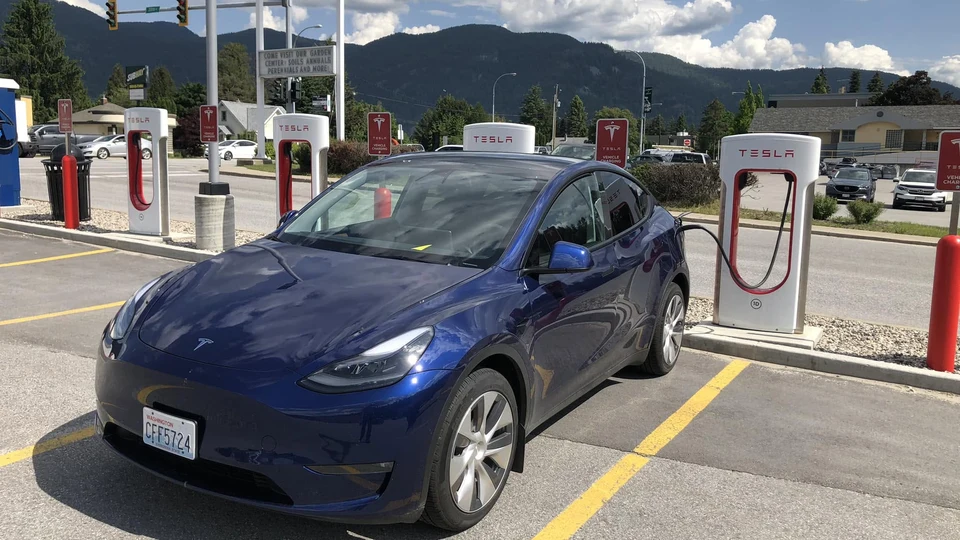
For high-throughput commercial DC Fast Charging plazas, commercial battery storage units (such as the Tesla Megapack) can be integrated. The battery charges slowly from the grid during off-peak hours and rapidly discharges to vehicles during charging sessions.

Networked Smart Chargers vs. Non-Networked: Software, Billing & Access Control

Commercial property owners must choose between basic, unmanaged "dumb" chargers and sophisticated, cloud-networked smart charging stations. For commercial applications, networked chargers are virtually mandatory.

Operational Feature Networked Commercial EVSE (ChargePoint, Blink, Wallbox) Non-Networked Basic EVSE
Revenue Collection & Credit Cards Automated. Drivers pay via smartphone app, tap-to-pay credit card, or RFID. None. Electricity is given away 100% free with zero cost recovery.
Custom User Access Tiers Fully Configurable. Free for employees/tenants, fee-based for public visitors. None. Open to any vehicle that parks in the stall.
Preventing "Stall Squatting" Idle Fees. Automatically charges $5 to $10/hour if a car remains parked after charging finishes. None. Drivers can block charging stalls for days without penalty.
Remote Telematics & Uptime 24/7 Cloud Diagnostics. Automatic fault alerts, remote firmware updates, and restarts. Manual. Broken units remain broken until an employee physically discovers them.
Utility Demand Management Dynamic Load Balancing. Automatically caps total kilowatt draw to prevent utility peak fees. None. Operates at full power at all times, risking massive demand spikes.
Carbon & ESG Reporting Automated Reporting. Generates greenhouse gas savings metrics for corporate reports. Manual Estimation Only. No verified data logs.
ChargePoint Commercial

Industry Gold Standard: The most recognized commercial network in North America. Features comprehensive corporate driver management, automated payment processing, 24/7 driver phone support, and robust hardware built for public durability.

Tesla Destination Charging

In-Car Touchscreen Navigation: Extremely popular for Spokane hospitality venues, hotels, and upscale retail. Units display directly on the in-vehicle navigation touchscreens of millions of Tesla vehicles, driving affluent travelers directly to your property.

Wallbox & Autel (OCPP)

Open-Network Flexibility: Excellent commercial Level 2 platforms supporting Open Charge Point Protocol (OCPP). Allows property managers to switch software backends over time without replacing physical charging pedestals.

ADA Accessibility Guidelines & Washington State Parking Space Design

Commercial EV charging stations installed in Washington State must strictly comply with the Americans with Disabilities Act (ADA) and the Washington State Building Code (WAC 51-50). Failing to design accessible EV charging stalls exposes commercial property owners to costly legal liabilities and municipal permit rejections.

Under Washington State building codes, accessible EV charging spaces are classified as "accessible communication features," meaning they must be designed to accommodate individuals with physical disabilities without necessarily being reserved exclusively for handicap placard holders.

β”Œβ”€β”€β”€β”€β”€β”€β”€β”€β”€β”€β”€β”€β”€β”€β”€β”€β”€β”€β”€β”€β”€β”€β”€β”€β”€β”€β”€β”€β”€β”€β”€β”€β”€β”€β”€β”€β”€β”€β”€β”€β”€β”€β”€β”€β”€β”€β”
β”‚ Accessible EV Space Design (Van Accessible)  β”‚
β”œβ”€β”€β”€β”€β”€β”€β”€β”€β”€β”€β”€β”€β”€β”€β”€β”€β”€β”€β”€β”€β”€β”€β”¬β”€β”€β”€β”€β”€β”€β”€β”€β”€β”€β”€β”€β”€β”€β”€β”€β”€β”€β”€β”€β”€β”€β”€β”€
β”‚ Vehicle Parking Bay  β”‚ Shared Access Aisle   β”‚
β”‚ Minimum 8'-0" Wide   β”‚ Minimum 8'-0" Wide    β”‚
β”‚                      β”‚ Painted Hash Marks    β”‚
β”‚      [EV STALL]      β”‚     [ACCESS AISLE]    β”‚
β”‚                      β”‚ Level Surface (< 2%)  β”‚
β”‚                      β”‚ Smooth Path to Curb   β”‚
β””β”€β”€β”€β”€β”€β”€β”€β”€β”€β”€β”€β”€β”€β”€β”€β”€β”€β”€β”€β”€β”€β”€β”΄β”€β”€β”€β”€β”€β”€β”€β”€β”€β”€β”€β”€β”€β”€β”€β”€β”€β”€β”€β”€β”€β”€β”€β”˜
ADA compliant van-accessible commercial EV charging parking stall with 8-foot access aisle
ADA compliant van-accessible commercial EV charging parking stall with 8-foot access aisle.
Key ADA Architectural Mandates for Spokane Commercial Stalls
  • βœ“
    1. Van-Accessible Dimensions: At least one accessible EV charging space must feature an 8-foot-wide vehicle parking stall paired with an adjacent 8-foot-wide painted access aisle (or an 11-foot-wide stall with a 5-foot aisle).
  • βœ“
    2. Level Surface Grade: The parking space and access aisle must maintain a completely smooth, level surface with a maximum slope of not more than 2% in any direction.
  • βœ“
    3. Accessible Route of Travel: A barrier-free accessible route (with ADA curb cut ramps) must connect the access aisle directly to the main commercial building entrance.
  • βœ“
    4. Operable Hardware Reach Limits (ADA Section 309): The charging station screen, RFID reader, payment terminal, and connector holster must be installed between 15 inches and 48 inches above finished grade, operable with one hand without tight grasping, pinching, or twisting of the wrist.
  • βœ“
    5. Clear Floor Space: A clear ground space of 30 inches by 48 inches must be provided directly in front of the charging station pedestal.

Trenching, Boring & Physical Civil Infrastructure Across Spokane Parking Lots

The electrical equipment itself represents only a portion of a commercial installation. In most retrofit projects, the primary engineering and cost driver is civil infrastructure: transporting heavy electrical current from an interior electrical room across a paved parking lot to parking islands.

1
Horizontal Directional Drilling (HDD / Boring)
For high-traffic commercial parking lots or paved drive aisles, specialized directional boring machines drill subterranean conduit pathways beneath asphalt and concrete without disturbing the surface. While boring requires specialized machinery, it eliminates the immense labor and expense of saw-cutting, trenching, repaving, and restriping asphalt.
2
Open-Cut Trenching & Spokane Basalt Excavation
Where utility crossings require open excavation, contractors utilize diamond concrete saws to saw-cut neat trenches. In areas along the South Hill, Five Mile Prairie, and the West Plains, contractors frequently encounter Eastern Washington's dense subterranean volcanic basalt rock shelves. Excavating through basalt rock requires pneumatic rock jackhammers, excavator-mounted hydraulic rock breakers, or rotary rock saws to achieve mandatory burial depths (24 inches deep for Schedule 40 PVC; 6 inches for Rigid Metal Conduit).
3
Poured Concrete Pedestal Foundations
Commercial charging pedestals cannot be bolted directly into asphalt, which softens in hot summer sun. Electricians pour reinforced concrete equipment pads (minimum 24 to 36 inches deep, extending below the local Spokane frost line) with cast-in-place anchor bolts and subterranean conduit stubs.
4
Heavy-Duty Concrete-Filled Steel Safety Bollards
To protect expensive commercial charging hardware from vehicle bumper collisions and municipal snowplows, commercial codes mandate installing 6-inch diameter schedule 40 concrete-filled steel safety bollards centered in front of each charging station pedestal.
Directional boring and asphalt trenching for commercial parking lot underground conduit banks
Directional boring and asphalt trenching for commercial parking lot underground conduit banks.

Spokane Permitting, Municipal Plan Review & Utility Coordination

Commercial EV charging installations are subject to strict municipal plan reviews and multi-agency regulatory approvals across Eastern Washington:

1. City of Spokane DSC

City Hall: 808 W. Spokane Falls Blvd.

Requires formal commercial electrical permits, engineering plan review, and structural plan checks for pedestal foundations and canopy structures within municipal limits.

2. Spokane Valley Building Dept

Address: 10210 E. Sprague Ave.

Manages commercial electrical and building plan approvals, structural footing inspections, and utility service clearances for Spokane Valley properties.

3. WA Dept. of Labor & Industries

Regional Office: 901 N. Monroe St.

Governs commercial electrical permitting in unincorporated Spokane County (including Mead, Colbert, Wandermere, Liberty Lake, and Cheney).

The 3-Phase Commercial Permitting & Inspection Workflow

1. Stamped PE Engineering: Single-line diagrams stamped by a Washington Professional Electrical Engineer (PE) specifying wire ampacity, conduit fill, fault current withstand ratings, and ADA layouts.
2. Avista Service Application: Formal Commercial Service Request submitted to Avista Utilities to evaluate feeder capacity and confirm transformer sizing.
3. Phased Inspections: On-site rough-in trench inspection (burial depth and grounding) followed by final switchgear, labeling, bollard impact, and torque verification.

Commercial EV Charger Installation Cost Breakdown (2026 Price Guide)

Commercial EV charging costs vary widely based on property scale, available electrical capacity, distance from electrical rooms, and selected charging technology:

Commercial Installation Component Typical Cost Range Detailed Scope & Engineering Inclusions Primary Local Variables
Commercial Level 2 Dual-Port Station (Hardware) $4,000 – $7,500 Commercial-grade dual-port pedestal, integrated cable retractor system, RFID/credit card reader, NEMA 3R/4X enclosure. Choice of network (ChargePoint, Blink, Wallbox, Autel); single vs. dual port.
Level 2 Installation Labor & Electrical Materials $3,500 – $8,500 per station Dedicated 208V/240V 80A circuit, subpanel connection, wiring, pedestal mounting, commissioning, city commercial permit. Distance from main switchgear; interior vs. exterior routing; electrical panel capacity.
Civil Trenching / Directional Boring & Paving $45 – $120 per linear foot Asphalt saw-cutting, subterranean directional boring or trenching, conduit placement, backfill, asphalt patching, restriping. Subterranean basalt rock shelves; distance across parking lot; landscaped vs. paved terrain.
Concrete Equipment Pad & Protective Steel Bollards $1,200 – $2,500 per pedestal Excavation below frost line, poured-in-place concrete foundation with rebar, two 6-inch concrete-filled steel safety bollards. Site access; decorative bollard covers; depth of frost line.
Annual Cloud Software Networking Subscription $250 – $450 per port / year 4G/5G cellular connectivity, payment transaction processing, 24/7 driver support hotline, automated software updates. Selected network provider; multi-year software licensing contracts.
480V DC Fast Charging Station (50 kW to 150 kW) $45,000 – $120,000+ per unit Commercial DCFC hardware, 480V three-phase step-down transformer, heavy switchgear, civil foundation, utility coordination. Avista utility transformer upgrades; primary power service line extensions.

Avista Utilities Commercial Rebates, Washington Grants & Federal Tax Credits

Substantial financial incentives exist to accelerate commercial clean transportation adoption across Spokane County:

1. Avista Schedule 77 Grants

Up to 100% Make-Ready Funding: Avista covers utility-side infrastructure costs (new commercial transformers, service drops, and meter bases) for qualifying fleet, workplace, and multi-family projects.

Customer-side incentives offset civil excavation, trenching, conduit runs, and electrical subpanels, substantially reducing capital expenditure.

2. WA Clean Energy & WAEVCP Grants

The Washington State Department of Commerce administers the Washington Electric Vehicle Charging Program (WAEVCP).

Competitive grant cycles distribute millions in state clean-energy funding for community-based public charging plazas, multi-family developments, and commercial fleet depots throughout Eastern Washington.

3. Federal Section 30C Tax Credit

Under the federal Inflation Reduction Act, businesses can claim a federal tax credit equal to 30% of total commercial hardware and installation expenses, up to $100,000 per location.

Requires prevailing wage and registered apprenticeship compliance. Several commercial corridors and suburban development tracts across Spokane County qualify.

Commercial Landlord ROI: Property Value, Tenant Retention & Direct Revenue

Commercial real estate investors evaluate capital improvements based on their impact on Net Operating Income (NOI) and asset valuation. Commercial EV charging delivers verifiable financial returns across multiple dimensions:

Commercial property valuation is determined by dividing Net Operating Income by the market capitalization rate:

Property Asset Value = Net Operating Income (NOI) / Capitalization Rate

Commercial electric power costs approximately $0.10 to $0.12 per kWh from Avista. Commercial hosts typically bill public drivers between $0.30 and $0.45 per kWh, plus a $2.00 to $3.00 hourly parking fee after the initial charging session completes.

A bank of four dual-port Level 2 chargers generating a net profit of $15,000 annually adds substantial value. At a 6.0% commercial cap rate, an additional $15,000 in annual NOI increases total commercial property asset value by $250,000.

Commercial property manager reviewing EV charging revenue telematics and tenant amenity stations
Commercial property manager reviewing EV charging revenue telematics and tenant amenity stations.
Tenant Retention & Premium Lease Rates

In competitive commercial office and multifamily residential markets, EV charging is a decisive lease-signing factor:

  • βœ“
    Class-A Office Attraction: Buildings offering guaranteed employee EV charging command premium lease rates and attract high-caliber corporate tenants.
  • βœ“
    Multifamily Carport Monetization: EV drivers frequently pay an additional $75 to $150 per month for assigned carport spaces equipped with dedicated Level 2 charging.
Retail Dwell-Time & Basket Size Expansion

For shopping centers, dining corridors, and entertainment venues, charging infrastructure creates direct sales velocity:

  • βœ“
    Extended Customer Dwell Time: EV drivers spend an average of 25% to 40% longer inside retail venues while charging.
  • βœ“
    Higher Basket Values: Extended dwell times directly correlate with higher restaurant checks and retail purchases.

Fleet Depot Electrification: Delivery Vans, Service Trucks & Municipal Fleets

Logistics, service, and municipal fleets across Eastern Washington are aggressively transitioning to battery electric platforms (including Ford E-Transit, Rivian Amazon Delivery Vans, BrightDrop Zevo, and electric school buses).

Electrifying a commercial fleet depot requires specialized engineering. Because fleet vehicles return to the depot in the evening and remain parked for 10 to 14 hours, fleets rarely require massive banks of expensive DC fast chargers.

High-amperage 48-amp or 80-amp Level 2 chargers equipped with sequential fleet management software are deployed. The software staggers charging across the fleet, charging vehicles in sequence so that total depot power draw remains flat, completely eliminating utility demand charge spikes.

Commercial logistics fleet depot charging bank for electric delivery vans and service trucks
Commercial logistics fleet depot charging bank for electric delivery vans and service trucks.
Overnight Managed Sequential Charging

Smart fleet management software integrates with vehicle telematics. When drivers plug in at 6:00 PM, the system calculates each van's departure time and battery level.

Charging is automatically staggered across the night, ensuring all vehicles are 100% charged by 6:00 AM while keeping peak kilowatt draw completely flat.

Designing Scalable Subterranean Conduit Banks

Experienced commercial contractors design fleet infrastructure for the future. Electricians install oversized subterranean underground conduit banks during initial trenching.

Sizing underground conduit to accommodate future capacity allows a business to expand from an initial 5 electric delivery vans to 50 vehicles without ever saw-cutting or excavating the parking depot again.

Inland Northwest Winter Operational Reliability for Commercial Stations

Commercial outdoor charging equipment in Spokane must withstand harsh winter weather conditions that destroy standard consumer hardware:

In commercial parking lots, public drivers frequently drop charging cables onto the ground. During Spokane winters, charging cables left lying in parking stalls become frozen into ice banks, coated with caustic road salt, and shredded by municipal snowplows.

Professional commercial installations strictly incorporate heavy-duty mechanical cable retractor pedestals. Spring-loaded, weather-shielded retractors automatically lift the heavy charging cable off the pavement the instant the driver unplugs, keeping cords clean, dry, and protected from snowplow blades.

Winter-rated commercial EV charging pedestal with spring-loaded mechanical cable retractor in Spokane
Winter-rated commercial EV charging pedestal with spring-loaded mechanical cable retractor in Spokane.
Heavy-Duty Mechanical Cable Retractor Pedestals

Cables suspended by counterbalance weights or heavy-duty stainless internal springs never touch the asphalt. This prevents cord damage, eliminates trip-and-fall pedestrian liabilities, and prevents freezing in snowbanks.

Units feature ultra-flexible sub-zero rubber jacketing rated down to -40Β°F, ensuring cords remain supple and easy to handle during freezing winter mornings.

Snowplow Clearance & Bollard Strategic Placement

Contractors coordinate with property maintenance managers to design charging stalls that accommodate winter snow removal.

Steel safety bollards are strategically positioned to shield pedestals from snowplow blades, and parking lot grading is planned so that plowed snowbanks are not piled in front of charging stalls or electrical switchgear.

Frequently Asked Questions: Spokane Commercial EV Charging

Everything Spokane business owners, property managers, and developers need to know about commercial EV charging costs, utility grants, demand charges, and ADA codes.

Have Commercial EV Questions?
Speak directly with a licensed Washington (01) commercial electrical estimator specializing in turnkey commercial charging, Avista grants, and switchgear.
Call (509) 800-4136
Spokane EV Charging Specialists Β· Lic #EC-SPOKEV*821JA
Free B2B Feasibility & Grant Assessments
How much does it cost to install commercial EV charging stations in Spokane? +
Commercial Level 2 dual-port charging stations typically cost between $7,500 and $15,000 per pedestal installed (including commercial hardware, concrete pad, steel bollards, electrical connection, and permits). Extensive civil trenching across large paved parking lots adds approximately $45 to $120 per linear foot. Commercial DC Fast Charging stations (50 kW to 150 kW) generally range from $50,000 to $150,000+ per station, depending on utility transformer and switchgear requirements.
Does Avista Utilities offer commercial EV charging rebates in Spokane? +
Yes. Avista Utilities administers comprehensive commercial electric transportation programs under Tariff Schedule 77. Programs periodically provide substantial "make-ready" grants covering utility transformers, electrical service panels, and underground conduit systems for commercial workplaces, multi-family residential developments, and commercial fleet depots.
Can commercial property owners bill drivers for charging? +
Yes. Networked commercial charging stations (such as ChargePoint, Wallbox, and Blink) feature integrated cellular modems and payment processing software. Commercial hosts can bill drivers per kilowatt-hour (kWh), per hour of charging, or charge a flat parking session fee. Property managers can also establish custom pricing tiersβ€”such as offering free or discounted electricity to employees and tenants while charging full retail rates to the general public.
What are the ADA requirements for commercial EV charging in Washington State? +
Under the Washington State Building Code and 2010 ADA Standards, commercial properties must provide accessible EV charging stalls. Accessible stalls require an 8-foot-wide vehicle space paired with an 8-foot-wide access aisle (or an 11-foot space with a 5-foot aisle) with less than a 2% grade slope. The charging station screen, payment reader, and connector holster must be mounted between 15 inches and 48 inches above finished grade, operable with one hand without tight pinching or twisting.
How do commercial EV chargers affect monthly electric utility bills? +
Commercial charging stations consume considerable electrical energy and can trigger substantial utility demand charges if unmanaged. Demand charges are based on the highest 15-minute electrical power surge during the billing cycle. By installing smart networked chargers equipped with dynamic load balancing software, charging power can be automatically throttled during facility peak hours, preventing expensive utility demand penalties.
What is the difference between Level 2 and DC Fast Charging for commercial properties? +
Commercial Level 2 chargers utilize 208V/240V power and deliver 7.2 kW to 19.2 kW, replenishing 25 to 45 miles of range per hour. They are ideal for workplaces, hotels, and apartments where cars remain parked for several hours. DC Fast Chargers utilize high-voltage 480V 3-phase power and deliver 50 kW to 350 kW, replenishing 150 to 300+ miles in 20 to 30 minutes. DC Fast Chargers are suited for retail plazas, travel corridors, and fleet depots with short dwell times.
Do commercial EV charger installations require a city permit in Spokane? +
Yes. Under Spokane Municipal Code 17F.050.020 and Washington State law (RCW 19.28), all commercial electrical installations, service modernizations, and EVSE additions require official electrical permits and mandatory plan reviews through the City of Spokane Development Services Center or Washington Department of Labor & Industries (L&I).
Can an EV charging installation increase commercial property value? +
Yes. Commercial EV charging increases property asset value by expanding Net Operating Income (NOI). Revenue generated from public electricity markups, parking fees, and premium tenant carport rents directly increases annual cash flow. At standard 6% commercial cap rates, an additional $15,000 in net annual EV charging income increases overall commercial property asset value by $250,000.

Schedule Your Spokane Commercial EV Infrastructure Consultation

Do not allow your commercial property, workplace, or multi-family community to fall behind the clean transportation transition. Connect directly with licensed Washington commercial electrical contractors delivering turnkey engineering, code compliance, and lifetime performance.

What to Have Ready for Your Commercial Consultation:
  • βœ“
    Property Address & Facility Type: (Office park, retail plaza, multi-family residential, hotel, or fleet depot).
  • βœ“
    Current Electrical Switchgear Capacity: (Location and amperage rating of main distribution board, typically 400A to 2000A).
  • βœ“
    Desired Number of Charging Ports: (Initial deployment scope and future expansion goals).
  • βœ“
    Preferred Parking Orientation: (Proximity of parking stalls to existing electrical room).
Speak with a Commercial EV Specialist Now

Direct consultations, transparent upfront pricing, and immediate dispatch across Spokane and Spokane Valley.

(509) 800-4136
Request Commercial EV Site Consultation
Complete your commercial project details below and a commercial electrical estimator will contact you within 24 hours.