WA Licensed (01) Electrical Contractor Β· Lic #EC-SPOKEV*821JA
Serving All 30 Spokane Neighborhoods & Spokane Valley (509) 800-4136
🏒 MULTI-FAMILY & HOA CHARGING SPECIALISTS · SPOKANE, WA

Apartment & Condo EV Charging Spokane: HOA Right-to-Charge & Turnkey Guide

Complete turnkey electrical engineering for Spokane condo unit owners, HOA boards, and multi-family property managers. Navigate Washington Right-to-Charge laws (RCW 64.38 & 64.90), implement automated tenant billing, and deploy smart load-managed charging without building transformer upgrades.

  • βœ“
    Washington Right-to-Charge Protection: State statutes (RCW 64.90.513 & RCW 64.38.060) legally protect condo owner rights to install EVSE in designated or deeded stalls.
  • βœ“
    Automated Sub-Metering & Cloud Billing: Turnkey RFID and cellular systems guarantee 100% tenant electricity cost recovery with zero HOA bookkeeping overhead.
  • βœ“
    Dynamic Power Sharing (NEC 625.42): Safely electrify 10 to 40 parking stalls from existing electrical service panels without triggering costly $20,000+ utility transformer upgrades.
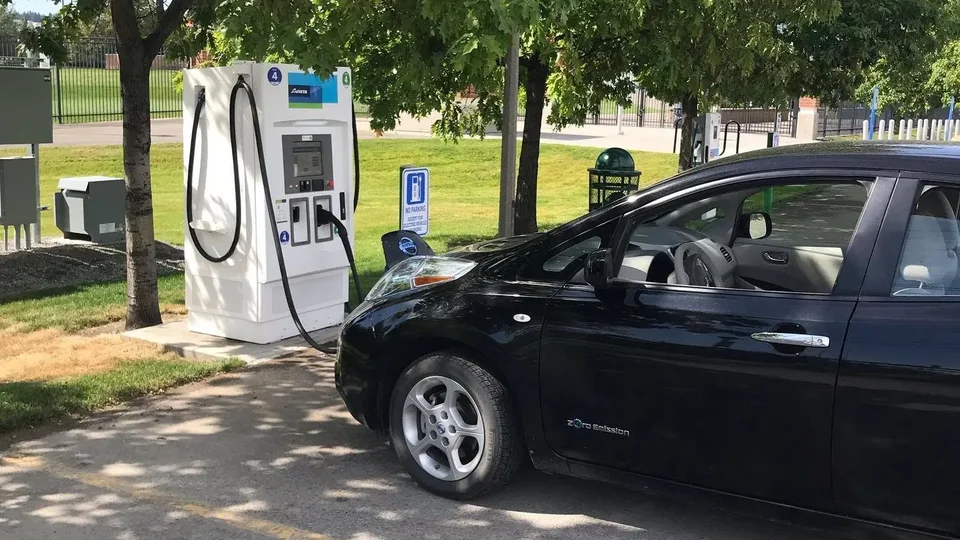
Multi-Family Apartment and Condo EV Charging Installation in Spokane WA with Submetering
⚑ WA Lic #EC-SPOKEV*821JA: Multi-Family & HOA Electrical Engineering Specialists.

Request Multi-Family EV Assessment

Get upfront pricing, HOA packet assistance, and electrical capacity audits for Greater Spokane properties.
πŸ”’ Free on-site load audit Β· HOA packet support Β· WA Lic #EC-SPOKEV*821JA

πŸ›‘οΈ
WA Electrical Lic #EC-SPOKEV*821JA Licensed (01) General Electrical Contractor
βš–οΈ
WA RCW 64.38 & 64.90 Compliant Right-to-charge legal packet specialists
πŸ’³
Turnkey Cloud Sub-Metering 100% tenant cost recovery & RFID access
πŸ›οΈ
100% Permitted & Inspected City of Spokane & County Green Tag

Washington Right-to-Charge Law: Your Legal Rights in Spokane HOAs & Condos

For years, condominium and townhouse unit owners across Spokane faced arbitrary blanket denials from hesitant HOA boards citing fire risks, electrical capacity concerns, or aesthetic disagreements. Washington State eliminated these roadblocks by enacting robust Right-to-Charge legislation under RCW 64.90.513 (for WUCIOA common-interest communities) and RCW 64.38.060 (for traditional HOAs).

60 Days Statutory Board Approval Clock
RCW 64.90 Washington Right-to-Charge Law
100% Reimbursed Owner Covers Energy & Upkeep
$1,000+ Statutory Penalties for Illegal Bans

What Washington Law Specifically Guarantees

Washington's Right-to-Charge statutes create a legally binding framework that balances individual resident charging needs with overall association property protection:

  • βœ“
    Blanket Prohibitions Are Void & Unenforceable: Any HOA governing document, CC&R clause, or board resolution that attempts to prohibit or unreasonably restrict the installation of an EV charging station in a deeded or designated parking stall is void as against Washington public policy.
  • βœ“
    Strict 60-Day Decision Clock: Once a unit owner submits a completed application with licensed electrical schematics, the association has 60 calendar days to approve or deny in writing. If the board fails to respond within 60 days, the application is deemed approved by law.
  • βœ“
    Only "Reasonable Restrictions" Allowed: Associations may only enforce reasonable requirementsβ€”such as mandating installation by a licensed Washington (01) electrical contractor, architectural harmony for exposed conduit, municipal permitting, and contractor liability insurance.
  • βœ“
    Full Owner Financial Responsibility: Common HOA dues are 100% protected. The requesting unit owner is legally responsible for all design, equipment, installation, maintenance, electrical consumption, and removal costs.
Washington State RCW 64.38 and RCW 64.90 Right to Charge Law Documentation for Spokane Condominiums
Washington State RCW 64.90 and 64.38 legally protect condo and townhouse owners from arbitrary HOA charging station bans across Spokane County.

What an HOA Board CAN Legally Require

Statutory requirements designed to protect common building safety:

  • βœ“
    Licensed & bonded WA (01) General Electrical Contractor.
  • βœ“
    Official City of Spokane or County electrical permit & Green Tag.
  • βœ“
    Certificate of Insurance (COI) naming HOA as additional insured.
  • βœ“
    Certified sub-metering or direct connection to tenant's personal meter.

What an HOA Board CANNOT Legally Do

Actions that violate Washington state law and invite legal penalties:

  • ❌ Enforce blanket bans on EV charging stations in assigned stalls.
  • ❌ Delay applications past the statutory 60-day deadline without approval.
  • ❌ Impose arbitrary financial fees or mandatory proprietary brand monopolies.
  • ❌ Demand architectural restrictions that make installation cost-prohibitive.

How to Win Fast HOA Board Approval for Your Spokane EV Charger

HOA boards rarely oppose electric vehicles; they oppose uncertainty. Board members worry about building electrical overloads, messy surface conduit runs devaluing common hallways, and common utility bills inadvertently subsidizing private fuel costs. We eliminate all board friction by preparing a comprehensive, stamped Engineering Submittal Packet.

HOA Board Architectural Review Committee Engineering Application Packet for EV Charging
Our comprehensive engineering submittal packet provides Spokane HOA boards with certified single-line schematics, load audits, and insurance certificates for rapid approval.

What Our Turnkey HOA Engineering Packet Includes

When you hire Spokane EV Charging Specialists, we provide the complete documentation package required by Washington RCW 64.90.513:

  • βœ“
    Professional Single-Line Diagram: Stamped electrical schematic detailing service entrance sizing, panel interconnect point, wire gauge, EMT conduit routing, and disconnect location.
  • βœ“
    NEC Article 220 Load Calculation: Certified engineering proof demonstrating that adding the 40A or 48A continuous EV circuit will not overload the building's main switchgear or individual unit sub-panel.
  • βœ“
    Certificate of Insurance (COI): Formal insurance verification naming your Spokane HOA as an additional insured with $2,000,000 comprehensive electrical contractor liability coverage.
  • βœ“
    Pre-Drafted Submetering & Reimbursement Agreement: A standardized legal covenant ensuring the unit owner reimburses the HOA for kilowatt-hours consumed or connects directly to personal Avista utility metering.
πŸ’‘ Board Meeting Representation: Hesitant board members or property managers? Our master electricians will attend your virtual or in-person Spokane HOA board meeting to present our engineering schematics, explain load-balancing safeguards, and address technical questions directly.

Condo & Apartment EV Charging: 4 Engineering Approaches

Every Spokane multi-family building is unique. Depending on whether parking is in a private attached garage, an underground concrete parking garage, or an outdoor surface lot, we engineer one of four code-compliant electrical architectures.

Architecture Method Electrical Power Source Sub-Metering & Billing Installed Cost Range Best Suited For
Direct-to-Unit Meter Run Unit's Existing Avista Meter Direct on tenant's monthly Avista bill $1,200 – $2,500 Townhomes & condos with parking stalls close to meter banks
DCC-9 Energy Management Main Feeder Before Unit Panel Direct personal meter feed with auto load shedding $1,800 – $3,200 Buildings with 100A unit panels avoiding $4,000+ service upgrades
Common House Panel + Submeter HOA Common House Electrical Room Digital revenue-grade check meter read monthly $1,500 – $2,800 Underground garages where running conduit to individual meters is cost-prohibitive
Cloud-Networked OCPP Station Dedicated Commercial Subpanel Automated RFID / Credit Card app with monthly HOA payout $2,200 – $4,500/port Apartment community hubs, multi-tenant parking, & visitor monetization

Selecting the Right Electrical Path for Your Property

During our on-site feasibility walkthrough, we inspect the main electrical utility room, calculate conduit pathway distances, and verify Wi-Fi or cellular signal in parking garages to recommend the most cost-effective architecture.

  • βœ“
    For Parking Within 75 Feet of Meter Centers: Direct conduit runs to the resident's personal Avista meter provide the cleanest, zero-bookkeeping long-term solution.
  • βœ“
    For Long Runs Across Underground Concrete: Installing a high-capacity master subpanel with dedicated conduit raceways allows future owners to add chargers easily.
  • βœ“
    For Shared Common Parking Stalls: Dual-port cloud-managed commercial chargers with RFID authentication prevent unauthorized charging while recovering electricity revenue.
Turnkey Electrical Conduit and Dedicated Subpanel for Spokane Condominium Garage
Turnkey conduit raceways and dedicated subpanels engineered for multi-story Spokane condo parking garages.

Automated Submetering & Cloud Billing: Zero HOA Admin Overhead

For property managers and volunteer HOA treasurers, manually reading electric meters, calculating tiered rates, and generating individual invoices every month is a massive administrative headache. Cloud-networked smart EVSE eliminates manual billing completely through automated driver authentication and software revenue distribution.

How Automated Cloud-Networked Billing Operates

By deploying Open Charge Point Protocol (OCPP) certified smart chargers connected via 4G LTE cellular or Wi-Fi, multi-family communities achieve fully hands-off financial reconciliation:

  • βœ“
    Driver Authentication (RFID & Mobile App): Residents tap an assigned RFID keyfob or initiate a charge via smartphone. Unauthorized parkers cannot steal power from common areas.
  • βœ“
    Revenue-Grade Digital Metering: Internal revenue-grade sub-meters track exact kilowatt-hours consumed per session with utility billing accuracy.
  • βœ“
    Automated Driver Credit Card Processing: The software automatically charges the resident's credit card based on custom electricity tariffs established by the board.
  • βœ“
    Direct Monthly HOA Bank Deposits: Electricity revenue is deposited directly into the HOA or property management bank account each month, completely covering common utility costs.
Tenant EV Submetering Cloud Dashboard for Multi-Family Apartments in Spokane WA
Cloud sub-metering dashboards allow Spokane property managers to monitor charging sessions, set tenant kWh tariffs, and automate monthly bank payouts.

At-Cost Reimbursement

Charges drivers exact Avista kilowatt-hour electricity rates, ensuring 100% net-zero utility expense for the association.

Cost-Plus Reserve Fund

Adds a modest 15%–25% surcharge to fund ongoing maintenance, future stall expansions, and hardware replacements.

Idle Parking Fees

Automatically levies a $5/hour parking surcharge if a vehicle stays connected 30 minutes after reaching 100% full battery.

Public Guest Monetization

Permits visitors and neighboring retail shoppers to charge at premium daytime rates, generating passive revenue for the property.

Overcoming Building Electrical Limits Without $20k+ Transformer Upgrades

The most frequent objection raised by Spokane condo boards is: "Our building only has 400A or 600A total serviceβ€”if multiple residents plug in, our main electrical transformer will blow." Smart Energy Management Systems (EMS) completely solve this constraint under National Electrical Code Article 625.42.

Dynamic Load Management Energy Management System for Multi-Family Building in Spokane
Smart load management controllers monitor total building demand in real time, automatically sharing power across multiple stalls without tripping main switchgear.

How Smart Power Sharing Multiplies Capacity

Rather than sizing branch circuits for rare worst-case simultaneous peak draws, certified EMS controllers allocate available capacity dynamically:

  • βœ“
    DCC-9 Individual Demand Controllers: Spliced between an individual unit meter and panel, the DCC-9 monitors unit draw. If an oven, dryer, and AC turn on, the EVSE instantly pauses, restarting automatically when household load drops.
  • βœ“
    Mesh Network Power Sharing: Multi-charger networks (such as Tesla Universal Wall Connectors or Wallbox Pulsar Plus) communicate wirelessly to share a single 100A or 200A feeder circuit across 4 to 12 parking spaces.
  • βœ“
    Whole-Building Headend Throttling: Current transformers on main service switchgear throttle vehicle charging during 5:00 PM–8:00 PM dinner cooking peaks, ramping back to full 48A charging at midnight when building demand drops.
  • βœ“
    Save $15,000 to $40,000 in Utility Upgrades: Avoid massive Avista utility engineering fees, transformer replacements, and street excavation while still electrifying parking.
⚠️ Warning on Uncoordinated Multi-Family Installations: Allowing unit owners to add unmonitored 50-amp circuits on a first-come, first-served basis quickly exhausts building transformer capacity, stranding later residents and risking catastrophic main breaker trips. A coordinated master infrastructure plan ensures equitable access for all residents.

Community Charging Hubs vs. Deeded Stall Electrification

Spokane condominium and multi-family associations typically choose between two primary deployment strategies: electrifying private assigned stalls or building a shared community charging plaza.

Deeded Stall Electrification

The charger is installed in a specific resident's deeded parking space, powered by their meter or a dedicated submeter.

  • βœ“
    Adds $15k–$25k in condo resale market value.
  • βœ“
    100% private convenience; vehicle stays plugged in overnight.
  • βœ“
    Funded entirely by the individual unit owner.

Shared Community Charging Bank

The HOA installs 2 to 6 shared dual-port charging stations in common guest or designated EV parking spaces.

  • βœ“
    Lowest cost per resident; serves 20–50 building residents.
  • βœ“
    RFID billing ensures non-EV owners pay $0 for electricity.
  • βœ“
    Eligible for substantial Avista multi-family grants.

Hybrid Master Raceway Backbone

The HOA installs empty master conduit raceways and high-amperage subpanels throughout the parking structure.

  • βœ“
    Prevents piecemeal, messy conduit runs across walls.
  • βœ“
    Individual owners pay a small tap-in fee when buying an EV.
  • βœ“
    Future-proofs the entire building for 100% EV adoption.
Multi-Unit Community EV Charging Station Bank in Spokane Multi-Family Surface Parking Lot
Multi-unit community charging banks installed in Spokane multi-family surface parking lots with RFID keycard access and cloud payment gateways.

Master Infrastructure Planning for Spokane HOAs

Rather than addressing individual owner requests one-by-one, progressive Spokane HOA boards are adopting master electrification plans. A master plan establishes standard conduit pathways, pre-approved charging hardware, and uniform submetering protocols that protect property aesthetics and property values.

  • βœ“
    Eliminates Architectural Inconsistencies: Standardized industrial EMT conduit routing preserves garage aesthetics and structural integrity.
  • βœ“
    Cuts Per-Stall Costs by 40%: Installing shared infrastructure in a single project phase dramatically reduces mobilization, engineering, and trenching costs.

Avista Schedule 77 Rebates & Federal 30C Multi-Family Grants

Extensive utility and federal incentive programs exist to substantially offset the capital expense of installing multi-family and condominium EV charging infrastructure throughout Spokane County.

Incentive Programs for Spokane Condos & Apartments

Our team coordinates directly with Avista clean energy managers to maximize available funding for your property:

  • βœ“
    Avista Electric Schedule 77 Multi-Family Rebates: Avista offers substantial rebates for qualified Level 2 smart charging stations installed at multi-family properties, covering equipment purchase and electrical wiring.
  • βœ“
    Federal Section 30C Alternative Fuel Infrastructure Tax Credit: Properties located in eligible non-urban or low-income census tracts across Spokane County can claim a 30% federal tax credit (up to $100,000 per project) on total equipment and installation costs.
  • βœ“
    Washington Clean Energy Grants: State funding programs frequently provide capital grants for condominium associations and affordable housing providers deploying smart EV infrastructure.
  • βœ“
    Turnkey Paperwork Management: We provide itemized line-item invoicing, municipal Green Tag certificates, and pre-filled utility rebate submissions for guaranteed board approval.
Commercial Multi-Port EV Charging Stations Installed at Spokane Multi-Family Property
Multi-port commercial charging stations installed at Spokane multi-family developments qualify for substantial Avista Schedule 77 rebates.
πŸ’° Maximize Your Property ROI: Installing multi-family EV charging infrastructure not only attracts higher-quality long-term tenants and boosts condo sale valuesβ€”it future-proofs your property against pending Washington State building code mandates requiring EV-ready parking stalls.

Our 6-Step Multi-Family & HOA Installation Workflow

From initial electrical capacity modeling and HOA board presentation packets to municipal permitting and Green Tag sign-off, our master electricians manage every phase with precision.

1

Site & Service Audit

We inspect building electrical switchgear, calculate spare transformer ampacity, and map optimal conduit pathways to parking stalls.

2

HOA Submittal Packet

We prepare stamped single-line schematics, NEC 220 load calcs, and certificate of insurance for guaranteed 60-day board approval.

3

Municipal Permitting

We file commercial electrical permits through the City of Spokane or Washington L&I, ensuring full legal code compliance.

4

Conduit & Wire Pull

We install heavy EMT conduit, core-drill concrete walls with firestop seals, and pull high-capacity copper branch circuit conductors.

5

EVSE & Cloud Setup

We mount smart charging stations, install digital submeters, configure cellular or Wi-Fi gateways, and set up tenant billing tariffs.

6

Green Tag & Rebates

We coordinate city safety inspection for final Green Tag sign-off and submit all required documentation for Avista Schedule 77 rebates.

Frequently Asked Questions

Expert electrical and legal answers to common questions about Spokane condominium EV charging, HOA Right-to-Charge laws, and tenant submetering.

πŸ“ž Speak with a Master Electrician
Can an HOA board in Spokane legally prohibit me from installing an EV charger?
+
No. Under Washington State's Right-to-Charge statutes (RCW 64.90.513 for WUCIOA communities and RCW 64.38.060 for HOAs), associations cannot prohibit or unreasonably restrict a unit owner from installing an EV charging station in their deeded or designated parking stall. However, the HOA can enforce reasonable architectural standards, licensed contractor requirements, and insurance coverage, and the unit owner is responsible for all installation and electrical costs.
How long does an HOA board have to review my EV charger application in Washington?
+
Under RCW 64.90.513, an association has exactly 60 calendar days from the date of complete application submission to approve or deny the request in writing. If the HOA board fails to provide a written response within 60 days, the application is deemed legally approved by statute, provided the proposed installation satisfies all building safety and electrical codes.
Who pays for the electricity used by an EV charger in a condo or townhouse?
+
The unit owner. Washington law explicitly dictates that the vehicle owner is 100% financially responsible for all electricity consumed by their EVSE. This is accomplished either by wiring the charger directly to the owner's individual Avista utility meter, installing a digital submeter to calculate monthly reimbursements to the HOA, or utilizing a cloud-networked billing app.
What happens if our condo building does not have enough electrical service capacity?
+
Rather than spending tens of thousands of dollars on expensive utility transformer upgrades, we install smart Energy Management Systems (EMS) under NEC Article 625.42. Systems like DCC-9 controllers or wireless power-sharing smart chargers automatically monitor building demand and throttle vehicle charging during peak dinner hours, enabling multiple vehicles to charge safely on existing electrical panels.
Are rental apartment tenants protected by Washington's Right-to-Charge law?
+
No. Washington's statutory Right-to-Charge laws apply specifically to deeded unit owners in common-interest communities (condominiums and homeowner associations). Tenants leasing an apartment must negotiate directly with the property management company or landlord, who can access Avista Schedule 77 multi-family rebates to offset installation costs.
Can Avista multi-family rebates be combined with federal 30C tax credits?
+
Yes. Multi-family property owners and HOAs located in qualifying non-urban or low-income census tracts across Spokane County can combine Avista Schedule 77 multi-family incentives with the Federal Section 30C Alternative Fuel Infrastructure Tax Credit, which offsets up to 30% of commercial installation and equipment costs up to $100,000 per project.
Can an HOA require me to use a specific licensed electrician or charger brand?
+
An HOA can mandate that you hire a licensed, bonded, and insured electrical contractor (such as a Washington 01 General Electrical Contractor) and obtain official City of Spokane electrical permits. However, under Washington law, associations cannot impose unreasonable brand restrictions or require proprietary systems that impose substantial financial hardship on the resident.
What happens to the charger if I sell my condominium unit?
+
An installed Level 2 charger and dedicated 240V circuit substantially increase condominium market value (typically adding $15,000 to $25,000 in buyer appeal). The installation conveys with the deeded stall to the new buyer, who assumes the submetering and reimbursement agreement with the HOA. Alternatively, the hardware can be removed and capped with a standard junction box if specified in the purchase contract.
⚑ TURNKEY MULTI-FAMILY EV INFRASTRUCTURE · GREATER SPOKANE

Electrify Your Spokane Apartment or Condo Community Today

Maximize property value, comply with Washington Right-to-Charge laws, and eliminate HOA billing headaches with professional turnkey Level 2 charging solutions. Speak directly with our licensed (01) master electricians today.

Spokane EV Charging Specialists Β· WA Lic #EC-SPOKEV*821JA Β· Serving Spokane, Spokane Valley, Liberty Lake, Cheney & Mead